


Key Takeaways
- Eye twitching is a small, involuntary flutter of your upper or lower lid that usually fades on its own.
- Tiredness, stress, too much caffeine, and screen time are common reasons behind eye twitching.
- Dry eyes and allergies can affect the tiny muscles in your lids at any age.
- Rest, less caffeine, and the 20-20-20 rule can help calm things down.
- Twitching that lasts more than 2–3 weeks or that spreads to your cheek is worth a visit to your eye doctor in Bethany, OK.
What Eye Twitching Really Is
Eye twitching is an involuntary flutter of your upper or lower lid that’s usually harmless and fades on its own. Sometimes, it shows up in one eye. Other times, both lids join in. Either way, the muscles around your eye are activating without your permission.
Whether it happens to you or to your kids, our team at Bethany Eye Care is here to help you understand what your body is telling you.
Common Reasons Behind the Twitch
When you’re running low on sleep or juggling a packed week, your eyelids can feel the effects too. In fact, tiredness and stress top the list of reasons your eyelids might start to twitch.
Caffeine plays a role as well. That third cup of coffee or afternoon energy drink can nudge your eyelid muscles into overdrive.
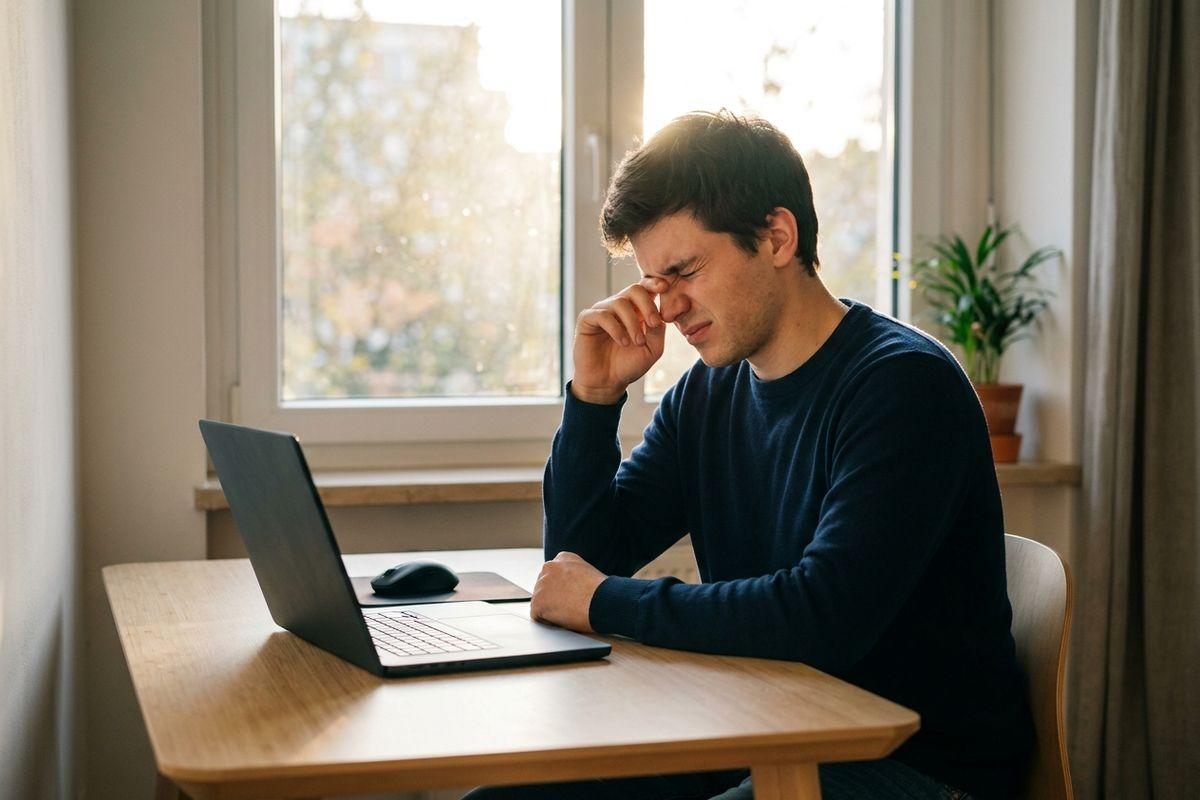
Screen time can also contribute. Hours of scrolling, homework on a tablet, or back-to-back video calls can strain your eyes and set off a twitching event.
Dry Eyes and Allergies
When the surface of your eye is dry or itchy, that irritation can activate the small muscles in your eyelid. Allergies do the same thing, especially during our pollen-heavy weeks in Oklahoma. This happens to people of all ages, from grandkids with screen-tired eyes to grandparents dealing with dryness.
How to Stop Eye Twitching at Home
The good news is that most eye twitching is simple to manage.
- Stay rested with 7–9 hours of sleep per night, so your eye muscles can recover.
- Cut back on caffeine slowly over 10 to 14 days instead of quitting all at once.
- Follow the 20-20-20 rule. Every 20 minutes, look at something 20 feet away for 20 seconds.
Soothe and Lubricate
Preservative-free artificial tears can add moisture back to a dry, twitchy eye. A warm or cool compress held over closed lids for 5–10 minutes can relax muscles and calm the flutter.
Less Common Causes of Twitching
Now and then, a twitch means something more serious. These kinds of eye twitching are far less common, but they’re worth knowing about so you can spot them.
- Essential blepharospasm brings forceful blinking, often in both eyes at once.
- Hemifacial spasm affects one side of your face, not just the eye.
- In rare cases, twitching results from a nerve condition.
If any of these sound like what you’re feeling, a quick exam can help give you clear answers.
When to See an Eye Doctor in Bethany, OK
Most twitches pack up and leave within a couple of weeks. A few signs, though, are your cue to book a visit with your optometrist:
- Your twitching lasts more than 2–3 weeks.
- The spasms spread to your cheek or jaw.
- You notice redness, pain, a drooping eyelid, or changes in your vision.
What a Comprehensive Eye Exam Offers
A comprehensive eye exam checks for dryness and irritation that could be behind your symptoms. This includes OCT scans, which can catch small details on the surface and inside your eye that are hard to see otherwise. From there, you and your team can map out clear next steps for your whole family.
Whether it’s you, your kids, or your parents whose eye is twitching, our team at Bethany Eye Care can help you sort out what’s going on. Schedule your comprehensive eye exam today, and get your eyes feeling comfortable again.